
When we talk about supporting young people, the conversation often centres on crisis. What happens when a student is already struggling, disengaged or overwhelmed. Those interventions are important, but they usually arrive once a problem has grown.
What if we focused more on helping students build the skills that allow them to cope before things escalate?
This is where LIFT comes in.
LIFT supports students to develop and understand core values such as resilience, empathy, honesty, respect and responsibility. These are not abstract ideas. When they are explored consistently and meaningfully, they become skills students can draw on in everyday situations, both in and out of school.
Many challenges young people face are not about academic ability, but about managing pressure, setbacks, relationships and change. Without the skills to handle these experiences, relatively small issues can quickly feel overwhelming.
By embedding values-based learning early, LIFT helps students recognise their emotions, understand their reactions and make more considered choices. A resilient student is better able to stay engaged when things feel difficult. A student with empathy can navigate friendships and conflict more effectively. A student who understands innovation and adaptability can reflect on mistakes and learn from them rather than avoiding them.
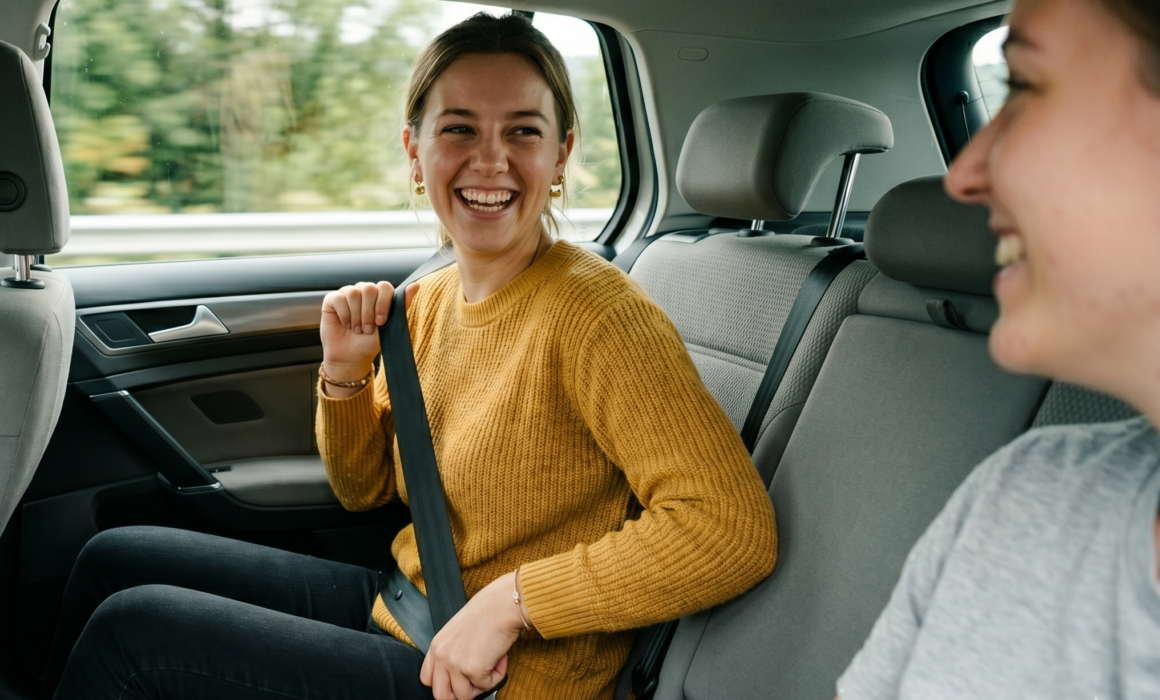
This is what we mean when we describe LIFT as a seatbelt, not an ambulance.
A seatbelt doesn’t prevent challenges, but it reduces their impact. It offers protection and preparedness before things become serious. In the same way, LIFT doesn’t promise a life without difficulties. It helps students face what life throws at them with greater confidence, self-awareness and emotional strength.
Teachers often tell us they notice changes in how students talk about challenges, listen to one another and recover when things don’t go to plan. These everyday moments matter.
‘The current TY students did a roundtable on the theme of resilience on the day they were to receive their Junior Cycle results. It was excellent timing and really made the girls reflect on how they could use these new skills of resilience in this context. When I met them the week after, several of the students commented that the work we had done in class before the results had helped them to manage their emotions and their perspective about the results they received’ Jacqueline Flattery from Sacred Heart in Co. Mayo.
Importantly, this approach helps schools move upstream. Rather than constantly reacting to issues, schools build a shared language and framework that supports wellbeing, positive behaviour and stronger relationships across the whole community.
When students have the skills to cope and communicate, fewer situations spiral into crisis. That’s better for students, better for teachers and better for schools.
LIFT is not about fixing young people. It’s about equipping them.
A seatbelt is something you put on before you need it. LIFT works the same way.
For more information on how to bring LIFT to your school email sarahlyn@liftireland.ie
To sign up for teacher training click here

 ks of independent nations of the World, I don’t think that we in Ireland have looked at the World in terms of having enemies and allies. Instead, we’ve approached diplomacy with the mindset that most everyone is a potential partner or friend—even if we fundamentally disagree on certain issues.


 Allow me to introduce you to Annick. She was a teenager during the outbreak of the genocide against Tutsis in Rwanda in 1994, a time marked by civil war fuelled by long-standing divisions and the incitement of hatred. In a span of just 100 days, an estimated 800,000 to one million Tutsis, a social and ethnic minority, were brutally murdered by government forces, militias, and even ordinary citizens. This atrocity saw neighbours turning against neighbours, with many victims being slaughtered in their own communities, often sought out in places they sought refuge, like churches and schools.
 LIFT. She has seen the power of LIFT in
 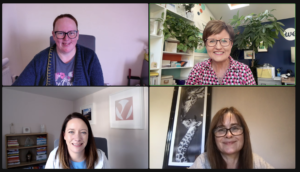 Following her call out for willing participants, Karen herself ended up running 5 LIFT Autumn Roundtables each week for 10 weeks. Some of the participants she already knew, others she didn’t. But they all had one thing in common – As Karen says:

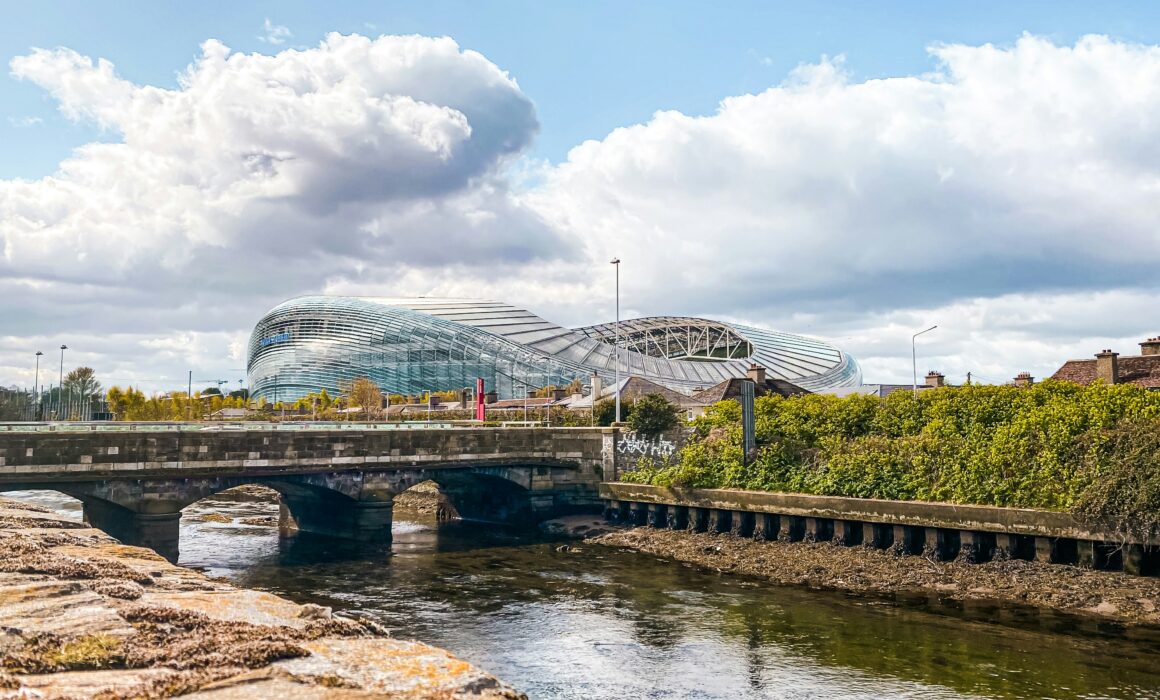
 “It’s just not fair. The five best teams in the competition all on one side of the draw. Ireland would have walked through to the semifinal if they had been on the other side of the draw. This game should have been the final.” So said my wife the rugby expert. All of these things were, of course, absolutely true. Writing this on the Monday after the match I can only think about what Ireland would have done if we had been playing either England or Argentina instead of New Zealand. Still be smiling and we’d still be thinking of what might be. My wife looked at me after the match on Saturday. She couldn’t understand why I was so calm. She has good reason to be curious – I’m a long time Ireland rugby fan and I can recall the days when success might have meant avoiding the wooden spoon in the Six Nations, never mind coming within a whisker of defeating New Zealand in the World Cup. She recalls the time when Ireland played France in Lansdowne Rd. We were winning the game – within touching distance of the first win against France since the early 1970s. Then in the last couple of minutes, Vincent Clerc broke through to score and break our hearts again. My wife remembers that I didn’t talk for a week. So how was I able to be so calm when we were so close to what could have been a World Cup winning experience?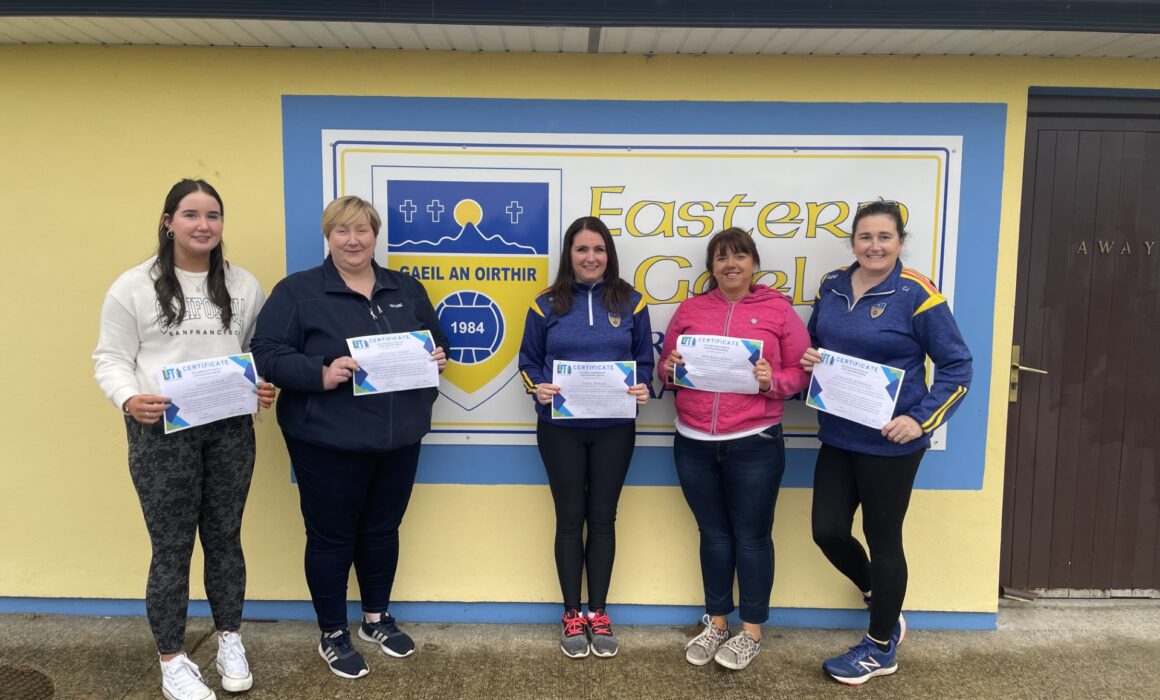
 The Ripple Effect: A Change in How Coaches Think